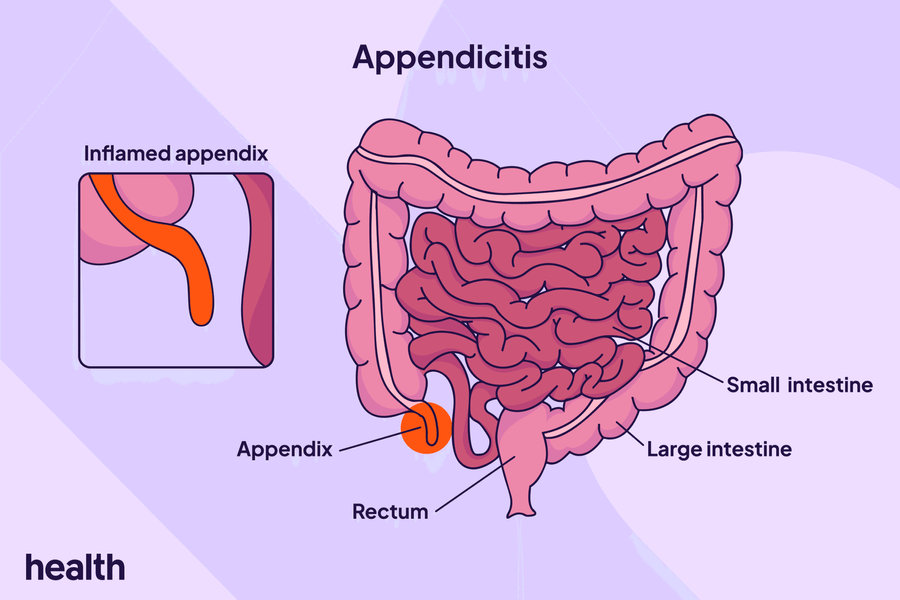
4 stages of appendicitis
Understanding the 4 Stages of Appendicitis
Have you ever felt a sharp pain in your belly that won’t go away? It might be appendicitis. This condition affects many people each year. Knowing the 4 stages of appendicitis can help you act fast. Appendicitis happens when your appendix gets inflamed. The appendix is a small tube attached to your large intestine. If not treated, it can burst and cause big problems. But don’t worry. With quick care, most people recover well. In this article, we’ll explore what causes it, the signs to watch for, and how to stay safe. We’ll break it down simply so you can understand. Think of it as a friendly chat about your health. By the end, you’ll feel more confident. Let’s dive in and learn how to protect yourself from this sneaky issue.

Many folks ignore early belly aches. That’s a mistake. The 4 stages of appendicitis start mild but can get serious fast. Doctors say about 1 in 15 Americans will face this in their life. It’s more common in teens and young adults. But anyone can get it. Eating fiber-rich foods might help prevent it. We’ll talk more about that later. For now, remember: knowledge is power. Spotting the signs early can save lives. Stay tuned as we unpack each stage and more.
What Is Appendicitis?
Appendicitis is a common health issue. It occurs when the appendix swells up. This small pouch sits in your lower right belly. It can fill with pus and bacteria. If ignored, it leads to the 4 stages of appendicitis. Pain often starts near your belly button. Then it moves to the right side. You might feel sick or have a fever. Kids and adults show different signs. For example, a child might not eat. An adult could have vomiting. Doctors use scans to check. Surgery is often needed to remove it. Without treatment, it can rupture. That spreads infection inside your body. But modern medicine makes it treatable. Many recover in days.
Think about a time when a small cut got infected. That’s like appendicitis. It starts small but grows. Eating healthy can lower risks. Foods like apples and oats help. Stay active too. If you suspect it, see a doctor right away. Delaying can make things worse. Understanding this basics empowers you. You’ll know when to seek help.
Causes of Appendicitis
What sparks appendicitis? Often, it’s a blockage. Stool, food, or mucus can clog the appendix. This trap lets bacteria grow. Infection follows. Sometimes, a virus or parasite causes it. Trauma to the belly might play a role too. Family history can increase chances. If your kin had it, watch out. Poor diet lacks fiber and invites trouble. Dehydration makes stool hard, raising risks. Stress weakens your immune system. That can let infections take hold.
A real example: A friend ate lots of junk food. He got appendicitis at 25. Doctors said low fiber was key. Now he eats veggies daily. Learn from that. Drink water and eat balanced meals. Avoid ignoring gut feelings. Literally. Knowing causes helps prevent the 4 stages of appendicitis. Stay vigilant for a healthier you.
Early Signs to Watch For
Before the 4 stages of appendicitis kick in, signs appear. Dull pain in your upper belly is common. It sharpens over hours. You might lose appetite. Nausea hits next. A low fever could rise. Walking or coughing worsens it. Kids might limp or hold their side. These clues are your body’s alarm. Listen to them.

I recall a story from a nurse. A patient ignored mild cramps. It turned serious overnight. Don’t let that be you. Track changes in how you feel. Journal symptoms if needed. Early detection stops progression. Share this with family. Awareness saves lives.
The 4 Stages of Appendicitis Explained
The 4 stages of appendicitis show how it worsens. First is the early stage. Swelling begins. Pain is mild. Next comes suppurative. Pus forms inside. Pain intensifies. Then gangrenous. Tissue dies. Fever spikes. Last is perforated. It bursts. Infection spreads. Each stage needs quick action.
Understanding these helps you respond. Doctors classify them to guide treatment. Early stages might need antibiotics. Later ones require surgery. Stay informed to avoid complications.
Stage 1: Early Appendicitis
In stage 1 of the 4 stages of appendicitis, inflammation starts. The appendix lining swells. Blockage causes this. Pain feels like indigestion. It’s around your navel. You might have gas or bloating. No fever yet. This lasts 12-24 hours. Many mistake it for a stomach bug.
A real example: A teen felt tummy upset after dinner. By morning, it was worse. Doctor caught it early. Simple surgery fixed it. If you feel off, rest and monitor. Hydrate. But if pain shifts right, get help. Early care prevents advance.
Stage 2: Suppurative Appendicitis
Stage 2 in the 4 stages of appendicitis brings pus. Bacteria multiply. The appendix walls thicken. Pain moves to lower right belly. It’s sharp now. Touching hurts. Fever might start. Vomiting occurs. This phase is 24-48 hours in.
Think of it as a brewing storm. Ignore it, and it rages. A patient I heard about waited too long. Pain became unbearable. Surgery was urgent. Learn to recognize this. Eat light if suspicious. Seek medical advice soon. It can save you pain.
Stage 3: Gangrenous Appendicitis
By stage 3 of the 4 stages of appendicitis, tissue dies. Blood flow stops. The appendix turns blackish. Severe pain spreads. High fever and chills hit. Belly swells. This is dangerous. It can lead to sepsis.
Stories warn us. An adult dismissed symptoms for days. Ended up in ICU. Recovery took weeks. Don’t risk it. If pain persists, ER visit is key. Doctors use CT scans here. Act fast for better outcomes.
Stage 4: Perforated Appendicitis
The last of the 4 stages of appendicitis is perforation. The appendix bursts. Pus leaks into abdomen. Intense pain everywhere. Fever soars. Shock possible. This needs emergency surgery.
Imagine a balloon popping. Infection floods. A case: Quick response saved a life. Antibiotics and drainage helped. Always err on caution. Know signs to avoid this stage.
Detailed Table of the 4 Stages of Appendicitis
| Stage | Description | Common Symptoms | Typical Duration | Potential Risks | Recommended Actions |
|---|---|---|---|---|---|
| Stage 1: Early Appendicitis | Initial inflammation due to blockage. Appendix starts swelling. | Dull pain near navel, loss of appetite, mild nausea. | 12-24 hours | Low if treated early. Can progress quickly. | Monitor symptoms, seek doctor if pain shifts. Rest and hydrate. |
| Stage 2: Suppurative Appendicitis | Pus builds up inside. Walls thicken with infection. | Sharp right-side pain, low fever, vomiting, tenderness. | 24-48 hours | Infection spread if delayed. Increased pain. | Urgent medical check. Possible antibiotics or surgery prep. |
| Stage 3: Gangrenous Appendicitis | Tissue death from lack of blood. Appendix necrotizes. | Severe widespread pain, high fever, swelling, chills. | 48-72 hours | Sepsis risk high. Organ damage possible. | Immediate ER. Surgery essential. IV fluids. |
| Stage 4: Perforated Appendicitis | Appendix ruptures, spilling contents. | Intense abdominal pain, shock, high fever, rigidity. | Beyond 72 hours | Peritonitis, abscess, life-threatening infection. | Emergency surgery, antibiotics, drainage. Hospital stay. |

Symptoms Across All Stages
Symptoms evolve in the 4 stages of appendicitis. Early on, it’s vague discomfort. Later, it’s agony. Common ones include pain migration. From center to right. Fever rises gradually. Nausea and vomiting join. Constipation or diarrhea happens. Belly tenderness is key.
Personal tip: Press gently on your right side. If it rebounds hurt, that’s a sign. Called rebound tenderness. Kids might not describe well. Watch their behavior. Adults, note if eating worsens it. Track these to catch early.
How Doctors Diagnose Appendicitis
Diagnosis starts with your story. Tell about pain start. Physical exam follows. They press your belly. Blood tests check infection. Urine rules out other issues. Ultrasound or CT scan confirms.

In USA hospitals, CT is common. It’s accurate. For kids, ultrasound avoids radiation. If unsure, they monitor. Quick diagnosis halts the 4 stages of appendicitis.
Treatment for Each Stage
Treatment varies by stage in the 4 stages of appendicitis. Early: Antibiotics might suffice. But often surgery. Appendectomy removes it. Laparoscopic is minimally invasive. Quick recovery.
For advanced stages, open surgery. Drain pus. Hospital stay longer. Post-op, rest and meds. Most go home in days. Follow doctor advice for healing.
Complications of Untreated Appendicitis
Ignoring the 4 stages of appendicitis leads to trouble. Peritonitis infects abdomen. Abscess forms pus pockets. Sepsis poisons blood. Organ failure possible. Long hospital stays.
A true tale: Delay caused weeks in bed. Scars and weakness followed. Prevent by acting soon. Health is wealth.
Prevention Strategies
Prevent appendicitis with habits. Eat high-fiber foods. Fruits, veggies, grains. Drink plenty water. Exercise regularly. Avoid constipation. Manage stress.
In USA, diets low in fiber raise risks. Switch to salads and walks. Small changes big impact. Stay ahead of the 4 stages of appendicitis.
When to Seek Medical Help
Seek help if pain lasts. Especially right side. Fever over 100. Vomiting non-stop. Swollen belly. These signal the 4 stages of appendicitis.
Don’t wait. ERs are equipped. Better safe than sorry. Share symptoms clearly.
Recovery After Appendectomy
Recovery is smooth. Rest first days. Walk gently. Eat soft foods. Avoid lifting. Stitches heal in weeks. Follow-ups ensure no issues.
Many return to work soon. Feel empowered post-surgery. You’ve beaten the 4 stages of appendicitis.
Myths and Facts About Appendicitis
Myth: Only kids get it. Fact: Any age. Myth: Exercise causes it. Fact: Helps prevent. Myth: It always bursts. Fact: Early treatment stops that.
Bust myths for truth. Knowledge fights fear.
Living Healthy Post-Appendicitis
After, focus on wellness. Balanced diet. Regular check-ups. Listen to body. Inspire others with your story.
You’ve conquered the 4 stages of appendicitis threat.
FAQs
First signs include dull belly pain. It starts near the navel. You might feel nauseous. Loss of appetite is common. If it sharpens, see a doctor.
Rarely. Most need treatment. Ignoring leads to worse stages. Always get checked.
Stage 1: 12-24 hours. Stage 2: 24-48. Stage 3: 48-72. Stage 4: After 72, urgent.
Often yes. Especially advanced stages. Early might use antibiotics.
High-fiber like apples, beans. Keeps bowels moving. Reduces blockage risk.
It weakens immunity. Might contribute. Manage with relaxation.
About the Author
