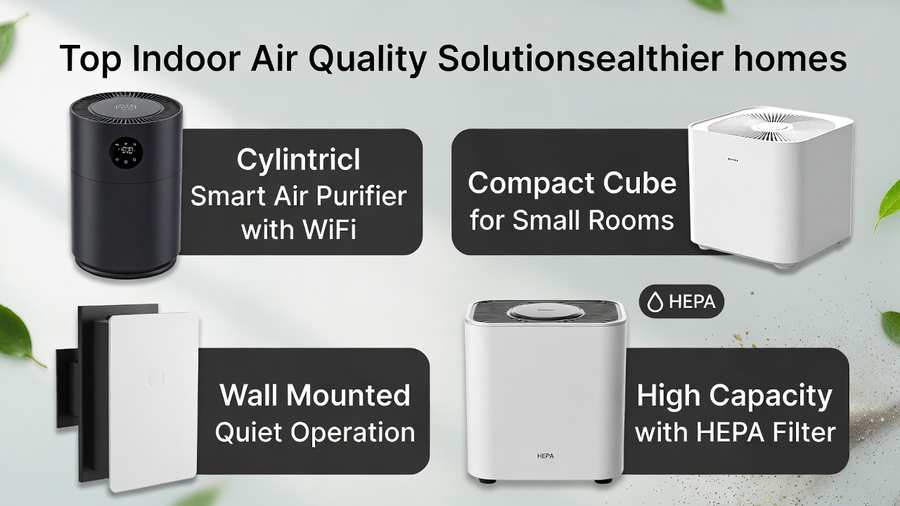
indoor air quality solutions
Top Indoor Air Quality Solutions for Healthier Homes Across the USA
Imagine stepping into your home after a long day and feeling that crisp, fresh air wrap around you like a warm hug. That’s the magic of good indoor air quality. In the USA, where we spend so much time inside, especially during harsh winters or hot summers, keeping our air clean is key to staying healthy and happy. Poor air can lead to sneezes, headaches, or even worse health issues over time. But don’t worry—there are simple, powerful indoor air quality solutions that can transform your space. As someone who’s dealt with stuffy rooms in my own house, I know how life-changing these changes can be. Think about it: cleaner air means more energy, better sleep, and fewer sick days. In this guide, we’ll explore easy ways to improve your home’s air, from basic tips to high-tech tools. We’ll cover what harms your air and how to fight back. By the end, you’ll have the know-how to create a fresher home. Let’s dive in and make your indoor world brighter and healthier.
Understanding Indoor Air Quality Basics
Indoor air quality is all about how clean and safe the air inside your home or office is. It affects your health every day. In the USA, many homes have tight seals to save energy, but that can trap bad stuff inside. Things like dust, pet hair, and chemicals from cleaners can build up. Good indoor air quality solutions help remove these problems. I’ve seen friends in busy cities like New York struggle with smog sneaking in through windows. But with the right steps, you can keep things fresh. Start by knowing what’s in your air. Pollutants come from cooking, smoking, or even new furniture. They can cause allergies or breathing troubles. The EPA says indoor air can be two to five times more polluted than outside air. That’s why solutions matter. Simple actions like opening windows on nice days or using fans can make a big difference. Add in tools like filters, and you’re on your way. Remember, clean air isn’t just nice—it’s essential for your family’s well-being. Take small steps today for big results tomorrow.
Why Clean Indoor Air Boosts Your Health
Clean air inside your home does wonders for your body and mind. When air is fresh, you feel more alert and sleep better at night. In the USA, where allergies affect millions, good indoor air quality solutions can cut down on sniffles and coughs. I recall a time when my family had constant colds until we improved our air. It changed everything. Poor air can lead to asthma attacks or long-term issues like heart problems. Kids and older folks are hit hardest. The American Lung Association notes that bad indoor air costs billions in health care each year. But positive changes are easy. Solutions like purifiers remove tiny particles that irritate lungs. Fresh air also lifts your mood, reducing stress. Think of it as fuel for your day. By focusing on these solutions, you protect your loved ones. It’s not just about avoiding sickness—it’s about thriving. Start with one change, like adding a plant or checking vents. You’ll notice the difference quickly. Healthy air means a happier, stronger you.
Spotting Common Air Pollutants in Your Home
Homes hide sneaky pollutants that harm your air. Dust mites thrive in carpets and beds, causing allergies. Pet dander floats around if you have furry friends. Volatile organic compounds, or VOCs, come from paints and cleaners. In the USA, mold grows in damp spots, especially in humid states like Florida. Smoke from cooking or candles adds particles too. These can make you feel tired or sick. I’ve dealt with musty smells in basements, and it turns out mold was the culprit. Radon, a silent gas, seeps in from soil in some areas. The CDC warns it’s a top cause of lung cancer after smoking. Biological pollutants like pollen sneak in through doors. Chemical ones from products build up fast. Knowing these helps you choose indoor air quality solutions. Test kits can spot issues early. Awareness is your first defense. By identifying pollutants, you can target fixes. It’s empowering to take control. Your home should be a safe haven, not a source of harm.
Powerful Benefits of Indoor Air Quality Solutions
Investing in indoor air quality solutions brings huge rewards. First, they cut health risks by removing harmful stuff. Families breathe easier, with fewer doctor visits. Energy bills can drop too, as efficient systems work smarter. In the USA, where homes vary from coast to coast, these solutions fit any setup. I love how they create a cozy, inviting space. Guests notice the fresh feel right away. Solutions also boost home value—buyers want clean air features. Think long-term: better air means sharper focus at work or school. Kids play more without wheezing. For me, adding a purifier turned my stuffy office into a productive zone. Environmentally, they reduce waste by filtering instead of replacing air. It’s a win for the planet. Overall, these solutions empower you to live better. They’re not luxuries—they’re necessities. Start small, like with a filter change, and build up. The positive impact will amaze you. Fresh air is freedom in your own home.
Choosing the Right Air Purifiers for Your Space
Air purifiers are stars among indoor air quality solutions. They suck in dirty air and spit out clean. HEPA filters catch tiny particles like dust and pollen. Some use UV light to kill germs. In the USA, models from brands like Honeywell suit different room sizes. I picked one for my living room and saw less dust on shelves. Activated carbon tackles odors from cooking or pets. Look for CADR ratings—they show how fast it cleans. Quiet ones are great for bedrooms. Portable units move easily. For allergies, choose ones certified by AHAM. They work best with regular filter changes. Combine with other solutions for max effect. Prices range from affordable to high-end smart versions. Read reviews from real users. Your needs matter—big homes need stronger units. It’s an investment in health. Fresh air feels amazing. Give it a try and breathe the difference.
Enhancing Ventilation for Fresher Indoor Air
Ventilation swaps stale air for fresh outdoor breezes. It’s a key indoor air quality solution. Open windows when weather allows, especially in mild USA climates like California. Fans help circulate air. Exhaust vents in kitchens and baths pull out moisture and smells. I installed a whole-house fan, and it cooled my place naturally. HRV systems recover heat while venting. They’re perfect for cold states like Minnesota. Make sure vents are clean—no blockages. Smart vents adjust flow automatically. In apartments, portable fans do the trick. Good ventilation cuts humidity, fighting mold. It also dilutes pollutants. The ASHRAE sets standards for homes. Follow them for best results. Simple habits like cracking a window daily help. Combine with filters for even cleaner air. It’s easy and effective. Your home will feel alive and invigorating.
Controlling Humidity Levels Effectively
Humidity that’s too high or low messes with air quality. Aim for 30-50% indoors. Dehumidifiers pull excess moisture in humid areas like the South. Humidifiers add it in dry spots, like desert states. I use a hygrometer to monitor levels—it’s cheap and handy. High humidity breeds mold; low dries skin and boosts static. Indoor air quality solutions include these devices. Whole-home systems tie into HVAC. Portable ones are flexible. Clean them often to avoid bacteria. Plants can help balance naturally. Insulate pipes to prevent drips. In the USA, weather varies, so tailor your approach. Proper humidity eases breathing and protects furniture. It’s a simple fix with big comfort gains. Feel the balance in your home.
Natural Ways with Plants to Purify Air
Plants are nature’s indoor air quality solutions. They absorb toxins and release oxygen. Snake plants thrive in low light and clean air at night. Peace lilies tackle VOCs but need water. Spider plants are easy and filter formaldehyde. I’ve filled my home with them—it’s greener and fresher. NASA studies show they work well. Pothos vines grow fast and forgive neglect. Aloe vera soothes burns while purifying. Group them for better effect. In the USA, local nurseries have great options. They add beauty too. Water properly and dust leaves. Combine with tech for full coverage. Plants connect you to nature indoors. It’s rewarding to watch them grow while they help you.
Regular Cleaning Habits for Cleaner Air
Cleaning keeps pollutants at bay. Vacuum with HEPA filters weekly to trap dust. Dust surfaces with microfiber cloths—they grab more. Wash bedding hot to kill mites. I do a deep clean monthly, and allergies dropped. Use green cleaners to avoid adding chemicals. Mop floors to remove particles. Clean vents yearly. In pet homes, groom often. Indoor air quality solutions start with habits. Declutter to reduce dust spots. Shoes off at the door cuts dirt. It’s simple but powerful. Your air stays fresh longer. Feel the pride in a tidy, healthy space.
Smart Devices Revolutionizing Air Quality
Smart tech makes indoor air quality solutions easy. Monitors track pollutants in real time. Apps alert you to issues. Air purifiers connect to Wi-Fi for auto adjustments. I love my smart thermostat—it optimizes air flow. Voice controls like Alexa integrate them. In the USA, brands like Nest lead the way. Sensors detect VOCs or CO2. Fans turn on when needed. Data helps you improve over time. They’re user-friendly. Invest in quality for reliability. Smart homes breathe smarter. Embrace the future for effortless clean air.
Tailored Solutions for Different Home Rooms
Each room needs specific indoor air quality solutions. Kitchens battle cooking fumes—use range hoods. Bedrooms benefit from purifiers for sleep. Bathrooms need exhaust fans for moisture. Living rooms handle traffic with plants. My kitchen fan changed game nights—no more smoky smells. Home offices need quiet filters for focus. Basements fight dampness with dehumidifiers. Kids’ rooms prioritize allergen control. Customize for your layout. In the USA, multi-story homes vent differently. Small changes per room add up. Your whole house wins.
State-by-State Guide to Indoor Air Quality Challenges
The USA’s diverse climates mean different air issues. A detailed table below outlines key challenges and solutions per state. This helps target your approach.
| State | Common Challenges | Recommended Indoor Air Quality Solutions | Why It Works in This State |
|---|---|---|---|
| Alabama | High humidity, pollen | Dehumidifiers, HEPA purifiers | Reduces mold in humid summers |
| Alaska | Dry cold air, dust from heating | Humidifiers, air filters | Adds moisture in long winters |
| Arizona | Dust storms, low humidity | Dust-trapping purifiers, humidifiers | Combats desert dryness |
| Arkansas | Allergens from forests | Plant-based filters, ventilation | Clears outdoor pollen infiltration |
| California | Wildfire smoke, urban pollution | Advanced carbon purifiers | Filters particulates from fires |
| Colorado | High altitude dryness | Whole-home humidifiers | Prevents respiratory issues |
| Connecticut | Mold from rain | Dehumidifiers, UV lights | Controls damp New England weather |
| Delaware | Coastal humidity | Exhaust fans, mold-resistant solutions | Manages salty air moisture |
| Florida | Extreme humidity, hurricanes | Heavy-duty dehumidifiers | Fights constant mold growth |
| Georgia | Pollen, heat | AC-integrated purifiers | Cools and cleans in hot seasons |
| Hawaii | Volcanic ash, humidity | Specialized ash filters | Protects from unique island pollutants |
| Idaho | Wildfire smoke | Smoke-specific purifiers | Clears seasonal fire haze |
| Illinois | Urban smog, cold winters | Smart monitors, heaters with filters | Balances city and seasonal air |
| Indiana | Industrial pollutants | VOC-removing systems | Targets factory emissions |
| Iowa | Agricultural dust | Farm-grade purifiers | Handles rural particle loads |
| Kansas | Dust from plains | High-capacity filters | Manages windy dust storms |
| Kentucky | Coal dust, humidity | Carbon filters, dehumidifiers | Addresses mining area issues |
| Louisiana | Flooding, humidity | Waterproof dehumidifiers | Prevents post-flood mold |
| Maine | Cold, moldy winters | Insulated ventilation | Keeps air fresh in snowy months |
| Maryland | Pollen, bay humidity | Allergy-focused solutions | Controls seasonal blooms |
| Massachusetts | Urban and coastal air | Multi-filter systems | Handles Boston’s mix of pollutants |
| Michigan | Lake effect humidity | Balanced humidifiers | Manages Great Lakes moisture |
| Minnesota | Extreme cold, indoor dryness | Humidifiers with purifiers | Warms and moistens air |
| Mississippi | Heat, insects | Insect screens with vents | Keeps bugs out while venting |
| Missouri | Variable weather, pollen | Adaptive smart devices | Adjusts to changing seasons |
| Montana | Wildfires, dry air | Smoke purifiers, humidifiers | Prepares for fire seasons |
| Nebraska | Dust from farms | Heavy-duty vacuums, filters | Clears agricultural residues |
| Nevada | Desert dust | Dust-proof seals, purifiers | Seals homes from sand |
| New Hampshire | Forest allergens | Natural plant purifiers | Uses local greenery for aid |
| New Jersey | Industrial, traffic pollution | High-efficiency purifiers | Filters dense urban air |
| New Mexico | Dry, dusty winds | Humidifiers, dust traps | Moistens arid environments |
| New York | City smog, allergens | Compact smart purifiers | Fits apartments, clears pollen |
| North Carolina | Pollen from pines | Tree-pollen specific filters | Targets southern allergens |
| North Dakota | Cold winds, dust | Insulated humidifiers | Protects from prairie dryness |
| Ohio | Industrial, river humidity | VOC and moisture control | Manages Rust Belt air |
| Oklahoma | Tornado dust, heat | Durable purifiers | Withstands stormy debris |
| Oregon | Rain, wildfires | Mold and smoke solutions | Balances wet and fiery seasons |
| Pennsylvania | Coal, urban mix | Comprehensive filters | Addresses historical pollutants |
| Rhode Island | Coastal fog | Dehumidifiers, vents | Clears misty air |
| South Carolina | Humidity, storms | Storm-proof dehumidifiers | Preps for hurricanes |
| South Dakota | Dry plains | Humidifiers, dust control | Adds moisture to open lands |
| Tennessee | Pollen, hills humidity | Ventilation systems | Clears valley air traps |
| Texas | Varied: dust, humidity | Regional custom solutions | Fits from deserts to coasts |
| Utah | Inversion pollution | Inversion-busting purifiers | Clears trapped valley air |
| Vermont | Rural mold | Natural dehumidifiers | Uses eco-friendly methods |
| Virginia | Pollen, historical homes | Gentle purifiers for old houses | Preserves while cleaning |
| Washington | Rain, volcanoes | Mold and ash filters | Handles Pacific Northwest wet |
| West Virginia | Mountain coal dust | Rugged carbon systems | Targets mining valleys |
| Wisconsin | Lake humidity, cold | Balanced systems | Manages Midwest extremes |
| Wyoming | Windy dust | Wind-resistant filters | Seals against high winds |
Professional Help: When to Call Experts
Sometimes, DIY isn’t enough. Call pros for tough issues like radon or major mold. In the USA, certified technicians use tools to test and fix. I’ve hired one for a duct clean—it refreshed my whole system. HVAC experts optimize air flow. Look for NADCA-certified cleaners. For allergies, consult doctors for advice. Pros spot hidden problems. It’s worth the cost for peace of mind. They install advanced indoor air quality solutions. Regular check-ups prevent big fixes. Empower yourself with knowledge, but know when to team up. Your health deserves expert touch.
Cost-Effective Tips for Budget-Friendly Solutions
You don’t need big bucks for clean air. Start with free habits like venting and cleaning. Cheap filters upgrade your HVAC. Plants cost little but help lots. I found thrift store fans that work great. DIY tests for radon are affordable. In the USA, rebates cut costs on energy-efficient gear. Shop sales for purifiers. Maintain what you have to save long-term. Group buys with neighbors lower prices. Indoor air quality solutions fit any wallet. Focus on high-impact, low-cost steps. Your fresh air journey starts small.
Future Trends in Indoor Air Quality
Tech is advancing indoor air quality solutions fast. AI predicts pollution spikes. Nano-filters catch even tinier particles. Solar-powered devices save energy. In the USA, green building codes push innovations. Wearable sensors track personal exposure. I’ve seen apps that map home air zones. Biodegradable filters reduce waste. Integration with smart homes grows. Voice-activated controls simplify. These trends make clean air accessible. Stay informed for upgrades. The future breathes easier.
FAQs
What are the best indoor air quality solutions for allergies?
HEPA purifiers top the list. They trap pollen and dust. Add hypoallergenic bedding. Ventilate daily. Plants like ferns help too. In the USA, try brands certified for allergies.
How do I test my home’s indoor air quality?
Use affordable kits for radon or VOCs. Smart monitors give real-time data. Pros offer full tests. Check EPA guidelines. Simple observations like smells guide you.
Can indoor air quality solutions lower energy bills?
Yes, efficient vents and filters reduce AC use. Smart thermostats optimize. Seal leaks for savings. In cold states, HRVs recover heat. It’s a double win.
Are natural indoor air quality solutions effective?
Absolutely. Plants filter toxins naturally. Baking soda absorbs odors. Open windows refresh air. Combine with tech for best results. They’re eco-friendly and cheap.
How often should I change air filters?
Every 1-3 months, depending on use. Pets or dust mean more often. Check for dirt buildup. Clean air depends on fresh filters. It’s an easy habit.
What indoor air quality solutions work for pets?
Purifiers with pet filters catch dander. Regular grooming reduces shedding. Wash pet beds weekly. Plants safe for animals help. Keep litter boxes vented.
About the Author
